Bihar, located in eastern India, is one of the oldest inhabited regions in the world. Known for its rich cultural heritage, ancient universities, and role in India’s freedom struggle, Bihar has always been a land of knowledge and spirituality. It was once the seat of mighty empires and great scholars like Chanakya, Aryabhata, and Lord Buddha.
Today, Bihar is one of India’s fastest-growing states, balancing tradition with progress. Despite facing challenges in infrastructure and education, it continues to rise as a center of agriculture, governance, and social reform.
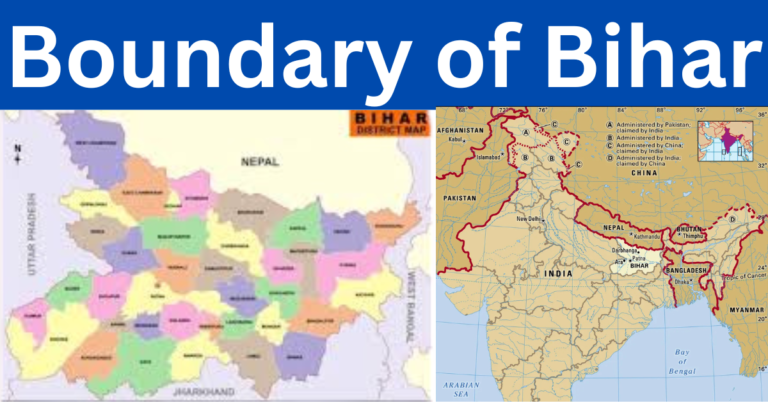
Geographical Overview
- Location: Eastern part of India
- Area: Around 94,163 sq km
- Boundaries:
- North – Nepal
- South – Jharkhand
- East – West Bengal
- West – Uttar Pradesh
- Major Rivers: Ganga, Kosi, Gandak, Son, Bagmati, and Punpun
- Climate: Mostly subtropical — hot summers, heavy monsoons, and cool winters.
- Divisions: 9 divisions and 38 districts
- Major Cities: Patna (capital), Gaya, Bhagalpur, Muzaffarpur, Darbhanga, Purnia, Begusarai, Nalanda, and Motihari
Bihar’s fertile plains, especially those nourished by the Ganga River, make it one of India’s most productive agricultural zones.
Historical Background
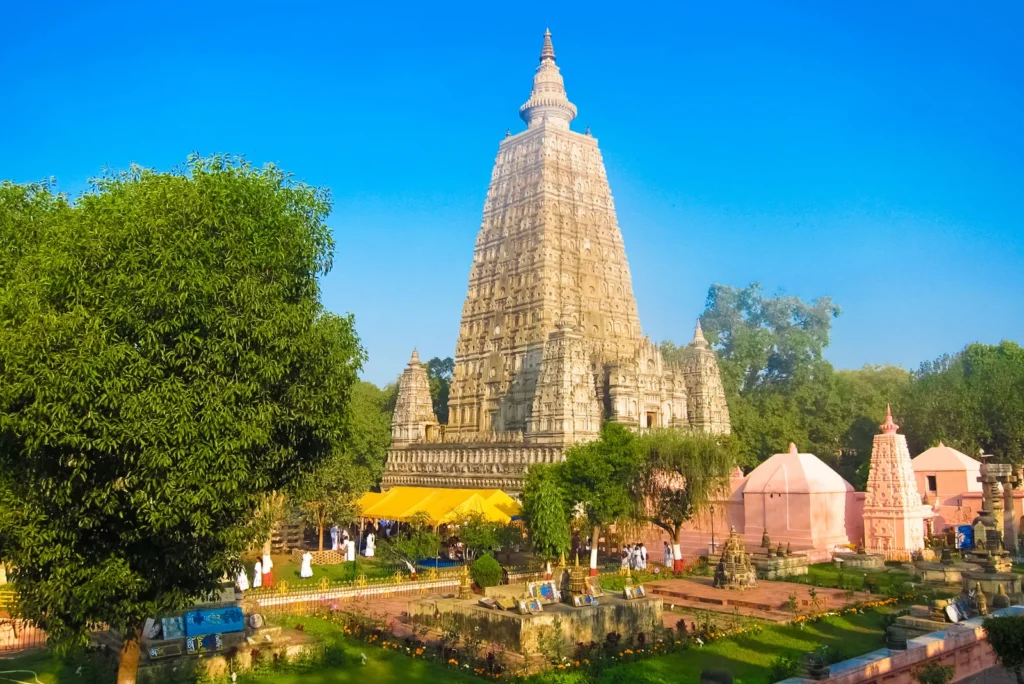
Bihar’s name comes from the word “Vihara”, meaning monastery — a reflection of its Buddhist heritage.
Ancient Period
- Magadha Empire (600 BCE–320 BCE): One of the first major kingdoms of India, with capitals at Rajgir and later Pataliputra (modern Patna).
- Mauryan Empire (321–185 BCE): Founded by Chandragupta Maurya and expanded by Ashoka the Great, one of the largest empires in ancient history.
- Gupta Empire (320–550 CE): Known as the Golden Age of India, it produced great advancements in science, mathematics, and art.
Medieval and Mughal Period
- Bihar came under Muslim rule in the 12th century.
- The region later became a part of the Mughal Empire, contributing soldiers and resources.
British Era
- Patna became a major center of learning and trade.
- Bihar played a crucial role in India’s independence struggle — the Champaran Satyagraha led by Mahatma Gandhi began here in 1917.
Post-Independence
- Bihar became a separate state in 1912.
- In 2000, Jharkhand was carved out of southern Bihar to form a new state.
Culture and Heritage
Bihar’s culture reflects the blend of Hinduism, Buddhism, Jainism, and Islam.
Language
- Official: Hindi
- Regional languages: Bhojpuri, Maithili, Magahi, Angika, and Bajjika
Festivals
- Chhath Puja: The biggest festival of Bihar, dedicated to the Sun God.
- Holi, Diwali, Eid, and Durga Puja are celebrated with great enthusiasm.
- Sonepur Mela: Asia’s largest cattle fair, held every year near Patna.
Folk Arts and Music
- Madhubani Painting: World-famous art form from the Mithila region.
- Bhojpuri Music and Cinema: Popular across India and even among overseas Indian communities.
- Folk dances: Jat-Jatin, Jhijhiya, Sohar, and Bidesia depict local traditions.
Economy of Bihar
Bihar’s economy has historically been agriculture-based, but it is rapidly diversifying.
Agriculture
- Major crops: Rice, wheat, maize, sugarcane, pulses, and oilseeds
- The Ganga plains are among the most fertile lands in India.
- The state also produces fruits like mango, litchi, and banana in large quantities.
Industry
- Traditional industries include handloom, handicrafts, and agro-based processing.
- Emerging sectors: Food processing, dairy, IT, and small-scale manufacturing.
- Government initiatives are promoting industrial zones in Patna, Muzaffarpur, and Bhagalpur.
Service Sector
- Growing rapidly in education, healthcare, and tourism.
- Patna has become an emerging startup hub with government support.
Education and Knowledge Legacy
Bihar’s connection to education is ancient — home to some of the earliest universities in the world.
Ancient Universities
- Nalanda University: Established in the 5th century; now revived as an international university.
- Vikramshila University: Founded by King Dharmapala, once a leading center of Buddhist learning.
Modern Education
- Major institutions: Patna University, IIT Patna, NIT Patna, AIIMS Patna, and Central University of South Bihar.
- The government’s Mission Manav Vikas focuses on improving literacy and technical education.
Tourism in Bihar
Bihar is a sacred destination for Buddhists, Jains, and Hindus alike.
Major Tourist Attractions
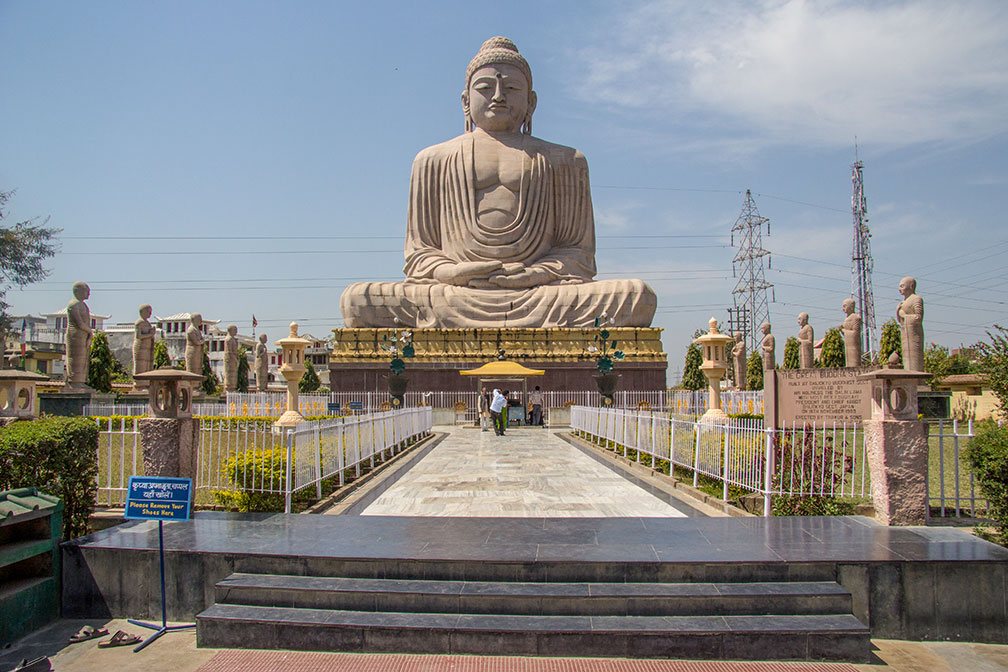
- Bodh Gaya: Site where Lord Buddha attained enlightenment.
- Rajgir and Nalanda: Ancient seats of learning.
- Vaishali: Associated with Lord Mahavira and Buddha’s sermons.
- Patna Sahib: Birthplace of Guru Gobind Singh Ji, a major Sikh pilgrimage site.
- Gaya: Important Hindu pilgrimage for Pind Daan.
- Kesaria Stupa, Vikramshila, and Sonepur Fair are also popular attractions.
Tourism contributes significantly to the state’s economy and international recognition.
Government and Administration
- Capital: Patna
- Governor: Constitutional head of the state
- Chief Minister: Head of the state government
- Legislative Assembly: Bicameral (Vidhan Sabha and Vidhan Parishad)
- Major Departments: Education, Health, Agriculture, Road Construction, and Rural Development.
The state government has launched several schemes like Jal Jeevan Hariyali, Bihar Startup Policy, and Mukhyamantri Kanya Utthan Yojana to promote sustainable development.
Transportation and Connectivity
- Airports: Jay Prakash Narayan International Airport (Patna), Gaya International Airport, Darbhanga Airport.
- Railways: Bihar is a major rail hub, connecting north, east, and central India.
- Roads: The state has improved national and state highways under Pradhan Mantri Gram Sadak Yojana.
- Waterways: The Ganga river provides an additional inland water transport route.
People and Lifestyle
Bihar’s people are known for simplicity, hard work, and resilience.
The rural population forms the majority, and agriculture is the main occupation.
Urban areas like Patna and Gaya are fast developing with malls, universities, and IT parks.
The traditional attire includes dhoti-kurta for men and saree for women, but western wear is common among youth.
Challenges Facing Bihar
Despite progress, Bihar faces several challenges:
- High population density and unemployment
- Frequent floods in northern districts (Kosi and Gandak regions)
- Low industrial base
- Migration of youth to other states for employment
- Need for better healthcare and education infrastructure
However, government reforms and private initiatives are gradually changing the situation.
Recent Development Initiatives
- Digital Bihar Mission: Promoting e-governance and online public services
- Startup Bihar Policy: Encouraging entrepreneurship among youth
- Smart City Projects: Patna and Bhagalpur selected for smart city development
- Agricultural Reforms: Better irrigation and cold storage facilities
- Women Empowerment: Schemes like Jeevika and Kanya Utthan Yojana
Conclusion
Bihar is not just a state; it is a civilization that has contributed to India’s moral, spiritual, and intellectual growth. From the teachings of Buddha and the strategies of Chanakya to modern reforms and digital governance, Bihar continues to evolve with pride and purpose.
Today, Bihar stands at a turning point — a land rich in history and heritage, marching forward toward modernization and prosperity. With strong human potential, cultural strength, and growing awareness, Bihar truly embodies India’s timeless spirit of resilience and renewal.